
Fashion has always been a reflection of culture, class, and creativity—and medieval men knew this better than most. When we imagine the Middle Ages, we often think of knights in armor, kings in flowing robes, and peasants in rough tunics. But behind every image of chainmail and velvet cloaks lies a fascinating world of symbolism, craftsmanship, and identity. Today, I’m diving deep into the world of medieval men’s fashion—not just what they wore, but why they wore it and how it shaped the world of style as we know it.
The Early Medieval Period: Simplicity and Functionality
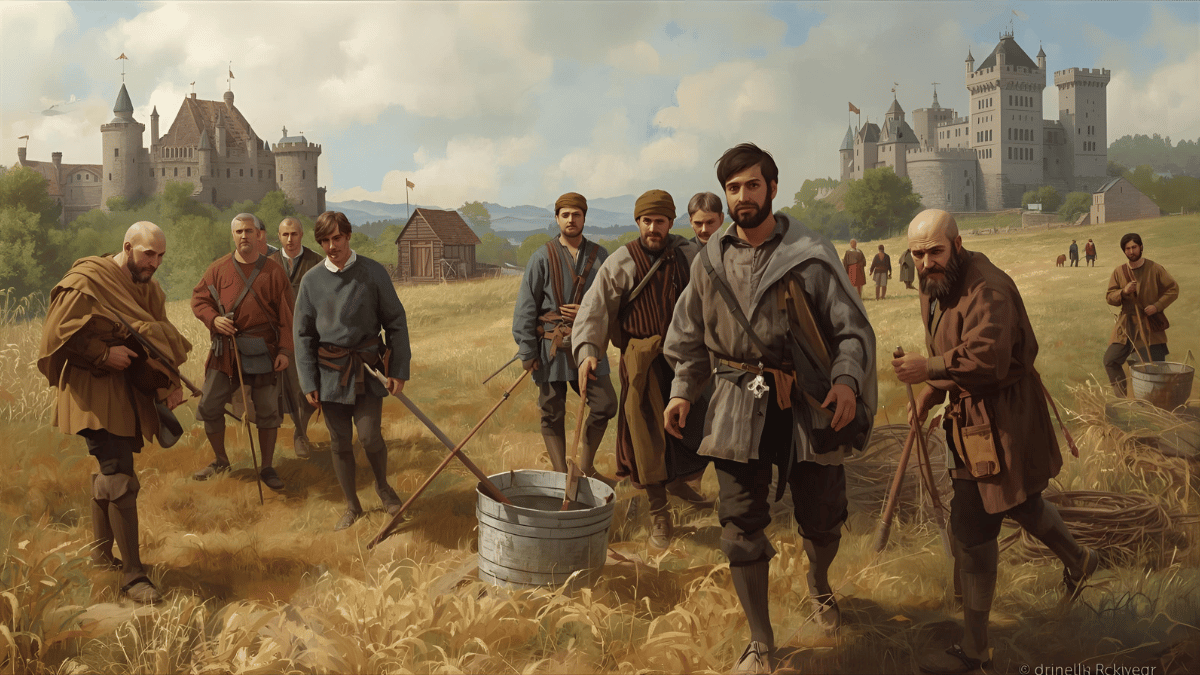
In the early Middle Ages (roughly 5th–10th centuries), men’s fashion was more about survival and practicality than luxury. After the fall of the Roman Empire, Europe entered a time of regional identity and self-sufficiency. Most men wore simple wool or linen tunics that reached the knees, belted at the waist, paired with trousers or hose.
These garments were loose, allowing movement during work or battle, and were often dyed with natural colors like browns, greens, and grays. Wealthier men, however, had access to finer materials and brighter dyes—blue from woad, red from madder root, and even purples reserved for royalty.
The Rise of Nobility and Class Distinction
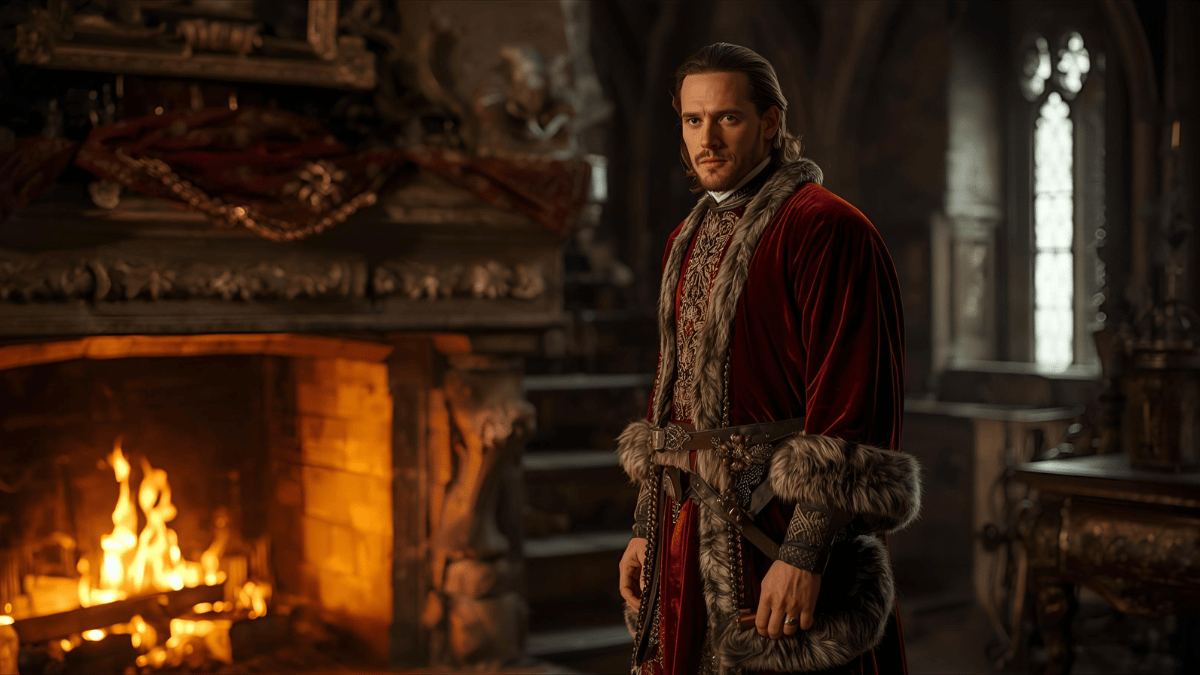
As Europe stabilized, wealth and hierarchy began to shape what people wore. The 11th to 13th centuries saw the rise of feudalism, and with it came clear visual markers of class. Lords and knights began to wear more fitted tunics, often adorned with embroidery, clasps, or family crests to display allegiance and rank.
Silks imported from the East and velvets from Italy became prized possessions. Cloaks fastened with ornate brooches or chains were symbols of prestige, while fur linings offered warmth and status. The richer the man, the more layers he wore—and the longer his tunic, as flowing garments became a status symbol of those who didn’t have to labor.
The Late Middle Ages: The Birth of Tailoring
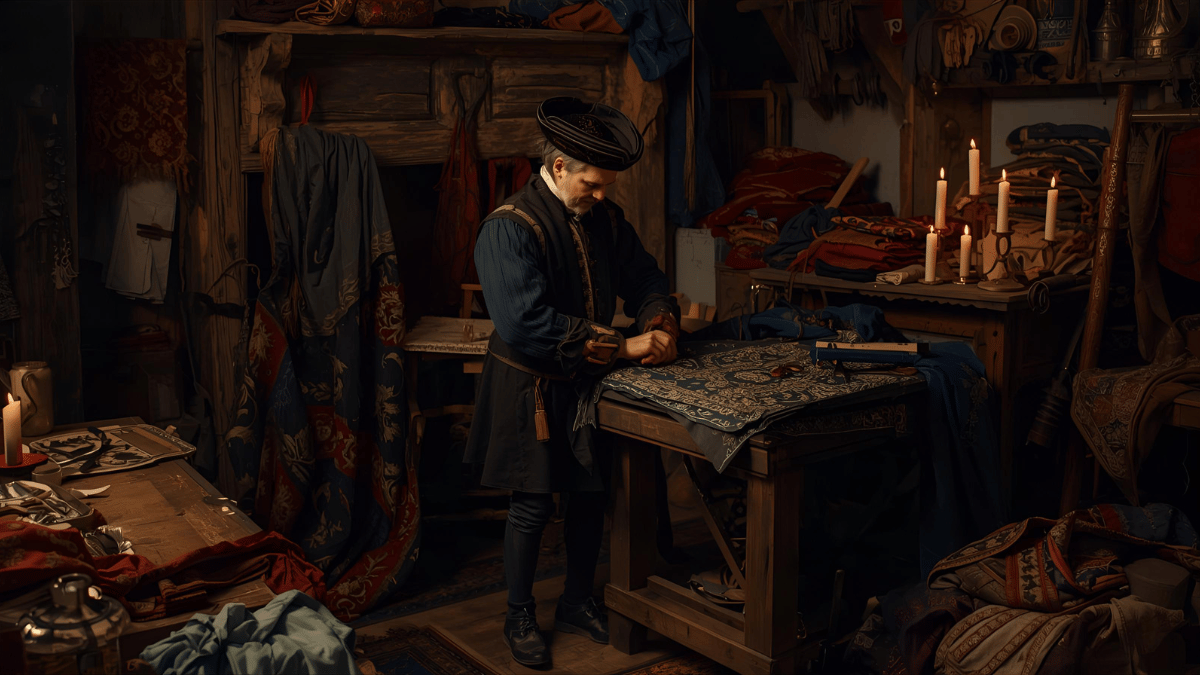
By the 14th and 15th centuries, European fashion entered one of its most expressive eras. Tailoring became an art form, and men’s clothing shifted from simple draped fabrics to structured, body-conscious garments. This was the age of the doublet, a padded jacket that emphasized broad shoulders and a narrow waist. Hose were sewn to fit snugly, and codpieces became fashionable—both functional and symbolic of masculinity.
The wealthy flaunted their status with rich fabrics such as brocade, damask, and silk. Colors became bolder, and patterns more elaborate. Men’s fashion began to compete with women’s in extravagance, and garments often reflected political alliances, religious devotion, or even romantic pursuits.
Accessories, Armor, and Attitude
Clothing alone didn’t define medieval style—accessories completed the look. Belts were both practical and decorative, often carrying daggers or pouches. Hats and hoods varied from the simple coif to the flamboyant chaperon. Jewelry such as signet rings, chains, and badges indicated social rank and allegiance.
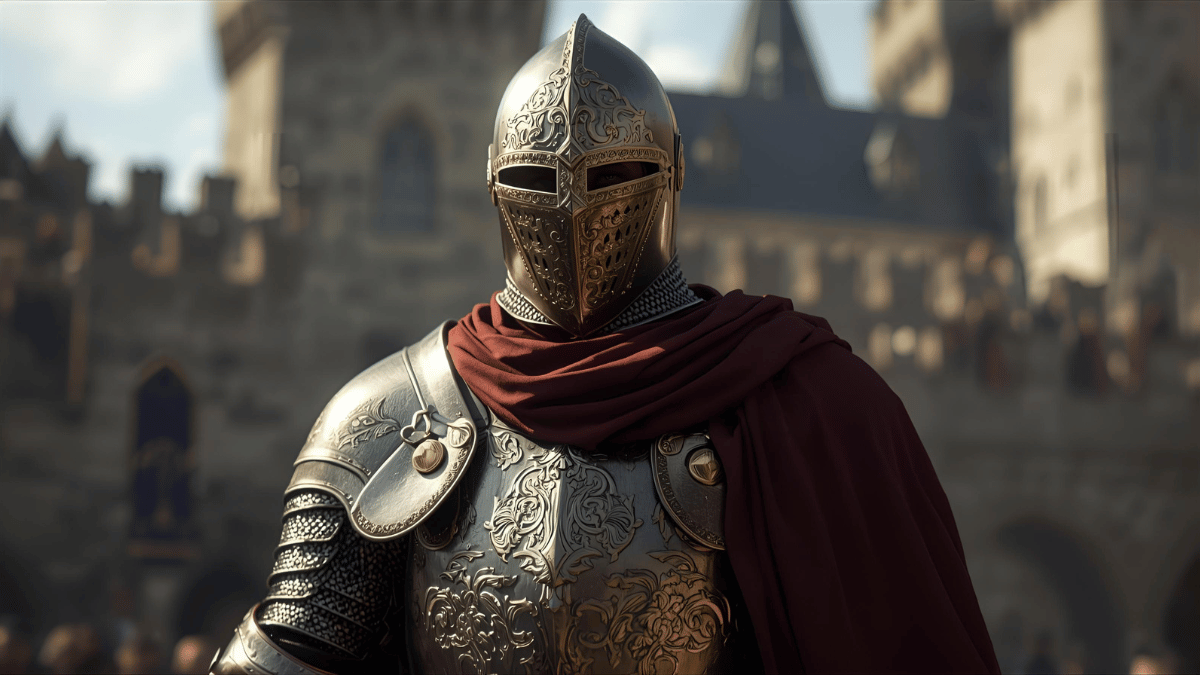
Even armor became fashionable. Knights often commissioned armorers to create not just protection but statements of prestige. Polished steel, engraved designs, and gilded helmets were symbols of nobility. The line between functionality and fashion blurred beautifully.
The Cultural Influence: Beyond Clothing
Medieval men’s fashion wasn’t just about clothing—it reflected an entire worldview. A man’s garments told stories about his lineage, his faith, and his ambitions. Monks wore rough habits to embody humility. Merchants dressed in fine but modest fabrics to show success without arrogance. Kings commissioned luxurious outfits to embody divine right and command respect.
Fashion also moved with technology. The spinning wheel, the loom, and the rise of trade guilds transformed textile production. Sumptuary laws even restricted commoners from wearing certain fabrics or colors, reinforcing class divides through clothing.
From Medieval to Modern: The Legacy Lives On
If you look closely, many modern fashion trends trace their origins back to medieval times. The tailored jacket evolved from the doublet. Decorative buttons, belts, and boots all owe their existence to medieval craftsmanship. Even the concept of dressing to express identity and power was born in these centuries.
Today, designers still draw inspiration from medieval men’s fashion—think of the fitted silhouettes in modern suits or the royal elements in haute couture. What began as a means of survival turned into a lasting symbol of sophistication.
Conclusion: The Timeless Power of Medieval Men’s Fashion
Writing about medieval fashion feels like stepping into another world—a world where every thread told a story. From humble wool tunics to opulent velvets, from the peasant’s practicality to the knight’s prestige, every garment was a reflection of life itself.
Medieval men dressed not only for warmth or battle but to display who they were, what they believed in, and where they stood in society. It’s proof that fashion has always been about more than fabric—it’s about identity, expression, and timeless elegance.
🧵 Summary
Medieval fashion for men evolved from simple, functional tunics in the early Middle Ages to highly tailored and symbolic clothing in the later centuries. Influenced by trade, religion, and social hierarchy, men’s fashion became a blend of practicality, luxury, and status. With ornate fabrics, decorative accessories, and tailored silhouettes, it laid the groundwork for modern style as we know it today.
